XUNHUの空港用ゴルフカートで空港での移動効率を高めましょう。2人乗りから11人乗りまで、多様な空港移動ニーズにお応えします。どのモデルも高品質の部品を使用し、スムーズで静か、環境に優しい性能を実現しています。すべてのXUNHU空港ゴルフカートは、CE、ISO、および他の国際規格で認定されており、あなたの国へのコンプライアンスと手間のかからない輸入を保証します。乗客の移動、スタッフの移動、VIPサービスのいずれにおいても、XUNHUは信頼性が高く、カスタマイズ可能なソリューションを提供し、空港業務を改善します。
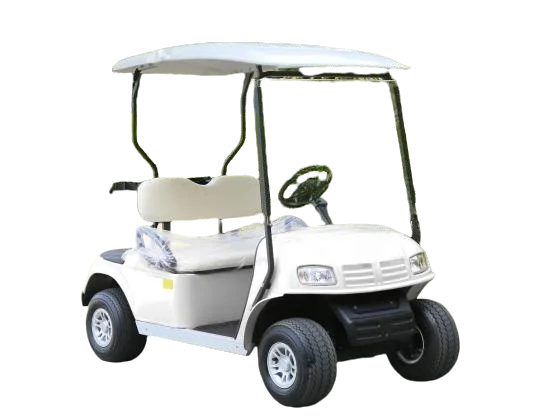
空港駐車場から滑走路近くの制限区域まで、荷物や人員を楽に運べるように設計されたXUNHU空港ゴルフカートで、シームレスな移動を体験してください。当社の空港電動シャトルカートと多用途空港輸送カートは、安全な貨物室と耐候性のキャビンを備えており、2~4人乗りの安全で快適な移動が可能です。警告灯やカスタマイズ可能なデザインなどの高度な安全対策を備えたこれらの車両により、警備チームは混雑したターミナルや駐機場を容易に移動することができます。.
空港に最適なエアポートシャトルカートは、効率と信頼性を最優先しています。スタッフの移動にも、貨物のロジスティクスにも、XUNHUのソリューションはスムーズなオペレーションをお約束します。耐久性に優れた高性能車両で空港のグランドサポートを強化します。当社のゴルフカート空港モデルがどのようにお客様の輸送ニーズを最適化できるか、今すぐお問い合わせください。.

信頼される企業として ゴルフカートメーカー 私たちは、自社で生産設備を持ち、業務効率を高めるために設計された空港用ゴルフカートに特化しています。高度な加工設備と最先端の製造技術を備え、空港の多様なニーズに合わせた耐久性と信頼性の高い車両を保証します。.
当社の空港用ゴルフカートはCE認証を取得し、欧州の品質基準を満たしています。スタッフ輸送、貨物ロジスティクス、セキュリティパトロールのいずれにおいても、これらの多用途カートは、耐候性のキャビン、十分な貨物スペース、およびワークフローを合理化するためのカスタマイズ可能なデザインを備えています。.
当社のソリューションを統合することで、空港は従業員の生産性を高め、ダウンタイムを削減することができます。費用対効果が高く、高性能な地上支援車両のパートナーとして当社を信頼してください。当社の空港用ゴルフカートが空港のオペレーションをどのように向上させるか、今すぐお問い合わせください。.
Choose airport golf carts according to the transportation tasks, routes, passenger volume, and operating hours at your airport. Start by separating passenger transportation from staff and operational use. A cart used to assist passengers inside or around terminal facilities has different requirements from a vehicle used by airport staff, supervisors, or service teams.
You should then map the routes where each vehicle will operate. Consider travel distance, passenger frequency, indoor or outdoor operation, available turning space, luggage requirements, and how often the cart must operate during each shift.
For passenger service, comfort, easy boarding, and appropriate seating capacity are important. Staff and operational vehicles may require more practical layouts or cargo space.
Instead of selecting one model for every task, build your airport golf cart fleet around specific transportation roles. This helps you determine which vehicles need passenger seating, luggage capacity, cargo space, weather protection, or higher passenger capacity before placing an order.
The right seating capacity depends on who you need to transport and how frequently each airport golf cart will operate. Smaller configurations can be practical for supervisors, individual staff members, or low-volume passenger assistance, while 4-seat carts provide more flexibility for passenger transfers and small groups.
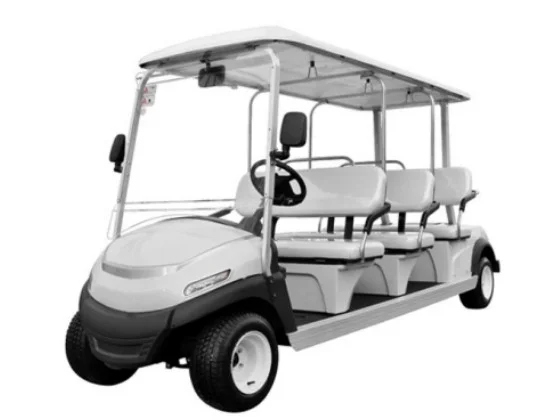
If you regularly move airline crews, airport employees, or groups of passengers between facilities, 6- or 8-seat airport transport carts may reduce the number of trips required. For predictable high-volume routes, a larger electric shuttle may be more efficient than operating several smaller golf carts.
You should also account for luggage. A cart with more seats is not automatically the better choice if passengers regularly travel with suitcases and there is insufficient storage space.
For larger airports, consider a mixed fleet. Use compact carts where maneuverability matters and higher-capacity vehicles on routes where passenger volume justifies the additional seating.
You should separate your airport golf cart fleet by operating role instead of purchasing the same configuration for every department. Passenger carts should prioritize comfortable seating, easy entry and exit, and sufficient space for the type of passenger service you provide. Staff vehicles can use simpler configurations when their main purpose is moving employees efficiently between airport facilities.
For operations involving tools, supplies, equipment, or other materials, utility carts with dedicated cargo space are generally more practical than passenger vehicles. You may also need separate configurations for supervisors, maintenance teams, security personnel, or other airport departments.
Start by listing the transportation tasks performed during a typical day and identifying which departments need vehicles at the same time. Then assign an appropriate airport golf cart or utility configuration to each role.
This approach helps you build a mixed fleet around actual airport operations instead of using passenger carts for jobs they were not selected to perform.
There is no standard number of airport golf carts that works for every airport. You should calculate fleet size according to passenger assistance demand, staff transportation, operational departments, terminal layout, route distances, shift patterns, and the number of vehicles required simultaneously.
Start with peak demand rather than average daily use. Estimate how many carts are needed at the same time for passenger transportation, staff movement, supervisors, service teams, and other operations. Airports with several terminals or widely separated facilities may also need vehicles assigned to specific zones rather than sharing one central fleet.
You should then account for vehicles that may be charging, undergoing inspection, or temporarily unavailable. For operations where transportation cannot be interrupted, some reserve capacity is more practical than planning around 100% vehicle availability.
For larger purchases, calculate fleet requirements by department and operating zone first, then combine those requirements into your total airport vehicle plan.
For passenger transportation, choose airport golf carts according to passenger type, group size, route conditions, and luggage requirements. If you mainly provide individual assistance or transport small groups over short distances, a compact 2- or 4-seat cart can offer easier maneuverability in areas where space is limited.
For busier passenger routes, 6- or 8-seat airport transport carts may reduce the number of trips required. However, passenger capacity should not be considered separately from boarding convenience. If your service frequently supports elderly passengers, families, or travelers who need assistance, easy entry and exit, comfortable seating, smooth operation, and sufficient personal-item storage become more important.
You should also consider whether passengers normally travel with luggage. A cart advertised for six passengers may not practically carry six people plus several large suitcases.
Choose capacity based on the real passenger-and-luggage load per trip, not the seat count alone.
For airport staff and crew transportation, select airport golf carts based on the number of employees traveling together, route distance, shift frequency, and whether they need to carry work equipment or personal luggage.
A 2- or 4-seat cart can be practical for supervisors, technicians, or small teams moving between nearby facilities. If you regularly transport larger groups of employees or airline crew, a 6- or 8-seat configuration may reduce repeated trips. Where staff also carry tools, equipment, or supplies, consider whether a utility or cargo configuration would be more useful than additional passenger seats.
Pay particular attention to shift changes. A vehicle that is adequate during normal working hours may become inefficient when several employees need transportation simultaneously at the beginning or end of a shift.
For a larger operation, you can combine different airport staff golf carts instead of using one seating configuration across every department.
For luggage and service operations, prioritize usable cargo space and the type of items you need to move rather than passenger capacity. A standard airport golf cart may work for a staff member carrying a small amount of equipment, but regular movement of luggage, tools, supplies, or service materials usually requires a dedicated cargo or utility configuration.
Start by identifying what the vehicle will normally carry, how many staff members travel with it, and how frequently loading and unloading occurs. This helps you decide whether you need an open cargo bed, enclosed storage, additional compartments, or a combination of passenger and cargo space.
You should also keep passenger transportation separate from operational work where practical. Using guest-facing airport transport carts to repeatedly carry tools or supplies can reduce passenger availability and may not provide the most suitable layout.
For mixed duties, choose a configuration that balances the required staff seating with dedicated cargo capacity.
For VIP transportation, focus on passenger comfort, appearance, privacy requirements, easy boarding, and appropriate capacity rather than simply choosing the largest airport golf cart available.
4人乗り 空港ゴルフカート can be suitable for individual VIP passengers, couples, or small groups when flexible point-to-point transportation is required. Larger configurations may be appropriate when guests travel with assistants, family members, or accompanying staff.
You should also consider luggage separately. If VIP transfers regularly involve suitcases, a vehicle with dedicated luggage space may provide a better experience than using empty passenger seats for baggage.
Depending on the airport environment and service level, useful options may include upgraded seating, coordinated body colors, weather protection, storage, and other comfort-focused configurations.
The vehicle should ultimately match your VIP service process. Consider who is transported, where they travel, how much luggage they carry, and what level of presentation your service requires before selecting the configuration.
選択してください 空港ゴルフカート when you need flexible point-to-point transportation for individuals or small groups, especially on routes where passenger demand changes throughout the day. Compact carts can be useful for passenger assistance, supervisors, staff movement, VIP transfers, and other tasks where operating a larger vehicle for every trip would be unnecessary.
ある 電動シャトルバス is generally more suitable when larger groups regularly travel between the same locations, such as terminals, parking areas, staff facilities, or other fixed transportation points.
You do not necessarily have to choose one vehicle type for your entire operation. Larger airports can use airport shuttle carts and buses for predictable high-volume routes while assigning smaller golf carts to flexible or lower-volume transportation tasks.
Before purchasing, compare passenger volume, group size, route frequency, maneuvering space, and luggage requirements for each route. This will help you determine where smaller airport golf carts or larger shuttle vehicles make more operational sense.
You should consider weather protection when an 空港ゴルフカート regularly operates outdoors in rain, wind, cold temperatures, strong sun, or other exposed conditions. The appropriate level of protection depends on the route and how much time passengers or staff spend outside.
A vehicle operating primarily in covered or indoor areas may not require a full enclosure. For carts frequently moving between separate buildings, parking facilities, staff areas, or other outdoor locations, a windshield, canopy, side enclosure, or enclosed cabin may provide more practical protection.
Consider the vehicle’s purpose as well. Passenger and VIP carts may require greater attention to comfort, while staff and operational vehicles may prioritize visibility, easy access, and practicality.
You do not need to specify the same enclosure for the entire airport golf cart fleet. Map the outdoor exposure of each route first, then select weather protection according to how and where each vehicle will actually operate.








 JA
 EN
 FR
 ES
 PT
 IT
 DE
 RU
 AR
 TR
 ID
 KO