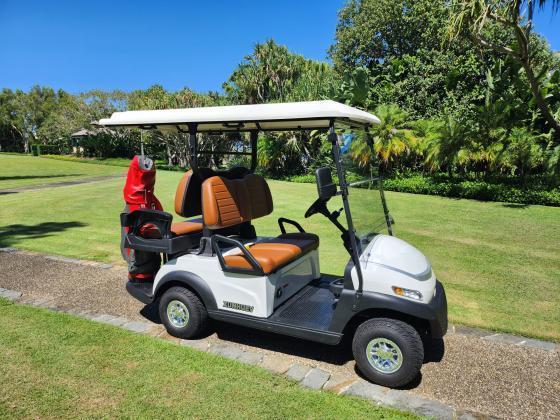
XUNHU 리조트 골프 카트로 리조트 비즈니스를 빠르게 성장시킬 수 있습니다. 실제 상황에 따라 선택할 수 있도록 다양한 유형의 리조트 골프 카트가 판매되고 있습니다. XUNHU는 CE 인증을 받았습니다. 골프 카트 제조업체 최고의 가격과 품질로 리조트 골프 카트를 구입할 수 있습니다.
XUNHU는 역사적인 관광 및 리조트 교통 수단을 향상시키기 위해 설계된 프리미엄 리조트 골프 카트를 공급합니다. 판매용 전기 리조트 버기는 원활한 고객 경험을 위해 맞춤 제작되어 조용하고 편안한 승차감을 제공하여 특별한 날을 더욱 돋보이게 합니다. 경치 좋은 산책로를 이동하거나 드넓은 리조트 부지를 가로질러 손님을 태울 때 이 전기 리조트 골프 카트는 저속 환경에서도 원활한 작동을 보장하므로 연중 내내 이상적인 동반자가 되어 줍니다.
유럽의 품질로 제작된 리조트 골프 카트는 안전과 내구성을 최우선으로 합니다. 고성능 리튬 배터리와 첨단 고속 충전 시스템이 장착되어 있어 효율을 떨어뜨리지 않으면서도 안정적인 전력을 공급합니다. 속삭이듯 조용하게 작동하여 소음 공해를 없애 휴식이나 탐험에 완벽한 고요한 분위기를 조성합니다.
XUNHU는 리조트 골프 카트 판매에 공장도 가격을 제공하여 우수성을 희생하지 않으면서도 탁월한 가치를 보장합니다. 맞춤형 옵션을 통해 리조트는 기능성과 미적 매력을 결합하여 고유한 요구 사항에 맞게 차량을 조정할 수 있습니다. XUNHU를 믿고 운송 전략을 혁신하면 모든 여정이 기억에 남는 경험이 될 것입니다.
XUNHU는 소규모 또는 대규모 예산으로 특정 요구 사항을 충족하기 위해 다양한 리조트 골프 카트 시리즈를 판매합니다. XUNHU에서 항상 적합한 리조트 골프 버기를 찾을 수 있으며 독특한 리조트 골프 카트를 맞춤화 할 수도 있습니다.
우리는 200 개 이상의 국가에 전기 리조트 버기를 수출했기 때문에 리조트 골프 카트에서 XUNHU와 쉽게 작업 할 수 있습니다. 리조트 골프 카트 외에 실제로 필요한 것이 무엇인지 알고 있기 때문에 불분명 한 의사 소통이 존재하지 않습니다.


XUNHU는 CE 및 기타 인증을받은 최고의 리조트 골프 카트 제조업체입니다. 레저 골프 카트에서 소싱을 보호하기위한 기술 지원뿐만 아니라 XUNHU에서 판매 할 수있는 자격을 갖춘 리조트 버기를 받게됩니다. XUNHU는 상담부터 최종 배송 및 판매 후 지원에 이르기까지 모든 고객을 VIP로 취급합니다. 리조트 버기가 더 비용 효율적이고 내구성이 뛰어나기 때문에 XUNHU 리조트 골프 카트에 대한 투자를 되찾고 최단 시간 내에 수익을 얻을 수 있습니다. XUNHU는 리조트 골프 카트를위한 자동 용접 라인을 가능하게합니다.
자체 생산 시설과 첨단 전자동 처리 장비를 갖춘 리조트 골프 카트 전문 제조업체로서, 당사는 리조트 환경에 맞는 고품질의 지속 가능한 운송 솔루션을 제공하는 데 앞장서고 있습니다. 최첨단 공장을 통해 리조트 골프 카트를 대량으로 생산할 수 있어 모든 유닛의 효율성과 일관성을 보장합니다. 당사는 다음과 같은 다양한 골프 카트를 전문적으로 판매합니다. 호텔 골프 카트 게스트의 편안함을 위해 설계되었으며 유틸리티 골프 카트 전 세계 리조트의 고유한 요구 사항을 충족하는 다용도 운영을 위해 제작되었습니다.
저희는 표준형 리조트 골프 버기 외에도 고객이 리조트의 브랜드 및 운영 요구 사항에 맞게 특징, 디자인 및 기능을 지정할 수 있는 맞춤형 리조트 골프 카트를 제공합니다. 전 세계로 진출하여 국제 표준과 규정을 준수하며 여러 국가에 전동 골프 카트를 수출하고 있습니다. 혁신적인 기술과 친환경 관행을 통합하여 리조트가 환경에 미치는 영향을 최소화하면서 고객 경험을 향상시킬 수 있도록 지원합니다. 안정적이고 확장 가능하며 지속 가능한 골프 카트 솔루션의 파트너로 전 세계 리조트 운영의 우수성을 이끌어가는 소니를 선택하세요.
선택하세요 리조트 골프 카트 according to how guests and staff actually move around your property. Start by mapping the main routes between your entrance, reception, villas or rooms, restaurants, beach, spa, parking areas, and other facilities. Then identify which routes are mainly for guests and which are used for luggage, housekeeping, maintenance, or staff transportation.
For short guest transfers, a 4-seat resort buggy may be practical, while 6- or 8-seat carts can reduce the number of trips on busier routes. Luggage and housekeeping operations may require cargo space instead of additional passenger seats.
You should also consider hills, narrow pathways, road surfaces, weather, daily operating hours, and charging opportunities. Do not choose one model simply because it has the highest passenger capacity. A resort usually operates more efficiently when different vehicles are selected for specific transportation and service roles.
Your resort is more likely to need its own golf cart fleet when guests cannot conveniently walk between important facilities or when staff spend too much time moving people, luggage, and supplies manually.
Look at the distance between your reception area, guest rooms or villas, restaurants, parking areas, beaches, activity areas, spa, and other facilities. If these locations are spread across a large property, 리조트 골프 카트 can provide more flexible point-to-point transportation than relying on one fixed shuttle route.
Terrain also matters. Hills, hot weather, large villa developments, and properties serving elderly guests or families can increase transportation demand even when the total site area is not particularly large.
You should also consider your service departments. Housekeeping, luggage handling, maintenance, security, and food service may require vehicles independently of guest transportation. In these situations, you are planning a resort vehicle fleet, not simply purchasing several identical passenger buggies.
There is no standard number of golf carts a resort needs because fleet size depends on property layout, room or villa count, guest volume, transportation routes, service level, and how many departments use vehicles simultaneously.
Start with your busiest operating periods. Estimate how many carts are needed at the same time for guest check-in and check-out, villa transfers, luggage, restaurants, beach or activity transportation, housekeeping, maintenance, and other regular operations. A luxury villa resort offering frequent on-demand transfers may need more carts than a larger property where most facilities are within walking distance.
You should also avoid planning around 100% vehicle availability. Some carts may be charging, undergoing inspection, or temporarily unavailable.
Instead of using room count alone, calculate your peak simultaneous vehicle demand by department. You can then determine how many passenger, luggage, utility, and reserve vehicles your resort fleet actually requires.
There is no single seating capacity that works best for every resort golf cart. You should match the number of seats to the passenger flow and transportation role of each vehicle.
Four-seat resort buggies are practical for couples, families, villa transfers, and flexible on-demand guest transportation. Six- or eight-seat carts can be more efficient on busy routes where groups regularly travel between reception, accommodation areas, restaurants, beaches, parking areas, or activity facilities. Smaller configurations may be useful for staff or VIP transportation where maneuverability and flexibility matter more than maximum capacity.
Do not automatically select the largest vehicle because it can carry more passengers. A high-capacity cart operating mostly half-empty can be less practical than several smaller vehicles positioned around the property.
For larger resorts, a mixed fleet is often the better approach: smaller carts for flexible guest transfers and larger passenger carts for predictable high-volume routes.
You should build your resort golf cart fleet around different operating roles instead of ordering the same passenger model for every department. Guest transportation usually requires comfortable 4-, 6-, or 8-seat carts, while luggage handling needs sufficient cargo space for suitcases without reducing passenger comfort. Housekeeping, maintenance, security, and other service teams may require completely different vehicle configurations.
Start by separating your fleet into guest transportation and resort operations. Then estimate how many vehicles each department needs during peak periods. For example, reception may require additional guest and luggage carts during check-in and check-out, while housekeeping and maintenance vehicles may operate continuously throughout the day.
For a larger property, a mixed fleet can also make future expansion easier. Instead of using expensive passenger resort buggies for staff and cargo work, you can assign each vehicle to the job it was selected for and keep reserve capacity where demand is less predictable.
For a large property, the best resort golf carts depend on how guests move between different zones. If your resort includes widely separated villas, restaurants, beaches, activity areas, parking facilities, and reception buildings, one vehicle type may not efficiently serve every route.
Use smaller 4-seat resort buggies for flexible point-to-point transfers where guests request transportation on demand. Larger 6-, 8-, or multi-passenger carts can be more practical for predictable high-volume routes between major facilities. Separate cargo or utility vehicles should handle luggage, housekeeping supplies, maintenance equipment, and other operational work.
You should also decide where vehicles will be stationed. Keeping carts near reception, accommodation zones, parking areas, or other high-demand locations can reduce empty travel across the property.
For very large resorts, think in terms of transportation zones and routes, not simply total fleet size. This helps you determine which vehicle capacity is appropriate for each part of the property.
For a beach resort, you should consider corrosion exposure, sand, humidity, passenger comfort, and route conditions when choosing golf carts. Vehicles operating near the coast may be exposed to salty air and moisture every day, so frame material, exposed components, protective finishes, and routine cleaning requirements deserve more attention than they would at an inland property.
한 aluminum frame golf cart can be worth considering where corrosion resistance and vehicle weight are priorities. However, you should evaluate the complete vehicle rather than the frame alone because fasteners, electrical components, suspension parts, and other exposed areas can also be affected by coastal conditions.
You should also distinguish between hard resort pathways and actual beach sand. An electric resort buggy that operates well on paved or compacted paths should not automatically be assumed suitable for deep, loose sand.
For guest transportation, also consider canopies, weather protection, easy-clean seating, luggage capacity, and the distances between beachfront accommodation and other resort facilities.
Yes. If your resort golf carts are regularly visible to guests, it makes sense to treat their appearance as part of your resort environment rather than as ordinary transportation equipment. You can coordinate body colors, logos, seat materials, roof styles, wheels, and other visible details with your property’s branding and design style.
The level of customization should depend on how each vehicle is used. Guest and VIP resort buggies may justify more attention to seating, appearance, weather protection, and interior details, while luggage, housekeeping, or maintenance carts should prioritize practical configurations.
For a larger fleet, consistency is particularly important. Define your preferred colors, logo placement, seating style, and major accessories before ordering instead of customizing individual batches separately.
If you expect to expand the fleet later, keeping a clear configuration specification also makes it easier to order additional vehicles that match the appearance of your existing resort fleet.
Choose resort golf carts when you need flexible, frequent transportation between multiple locations rather than moving large groups along one fixed route. Golf carts and resort buggies are particularly useful for villa transfers, guest requests, luggage movements, internal staff transportation, and routes where larger vehicles would be inconvenient.
Larger shuttle vehicles make more sense when many guests regularly travel between the same locations at the same time—for example, between a remote parking area and the main resort entrance.
Many large resorts therefore do not need to choose one or the other. You can use smaller golf carts for on-demand and point-to-point transportation while assigning larger passenger vehicles to predictable high-volume routes.
Before purchasing, map your passenger flow by route, frequency, group size, and time of day. This will show whether you need primarily resort golf carts, larger shuttles, or a mixed transportation fleet.






 KO
 EN
 FR
 ES
 PT
 IT
 DE
 RU
 AR
 TR
 ID
 JA